


1 You have written at least one ‘horse’ poem. It refers to their size, and it includes either the word ‘ancient’ or ‘prehistoric’.
2 You spend hours (OK, days) perfecting a line break, gloriously oblivious to the fact that the magazine you’re so delighted to have it accepted by has a page width which will result in the line being broken in a totally random place.
3 When someone tells you one of your poems is ‘thought-provoking’, it means they can’t actually think of anything to say about it.
4 A word of encouragement from an editor you admire is like rocket fuel. Every utterance is analysed. When they say your poem is ‘quite special’, you are tortured by whether they are emphasising the ‘quite’ or the ‘special’?
5 Anadiplosis is not a type of dinosaur.

6 You really should know what a haibun is. You knew once. You definitely knew. It somehow includes a haiku, you’re sure it does, but you can’t quite put your finger on how.
7 This year will be your year in the National Poetry Competition. Never mind that you’ve been saying that for over a decade.
8 Next year will be your year in the National Poetry Competition. Definitely next year.
9 Your non-poet friends have heard of Dylan Thomas. Those with a passing interest in the subject may also have heard of Edward Thomas. So it’s with a bloom of smugness you inform them that there is, in fact, a ‘triumvirate of male Thomas poets’. Yes – old RS, of course.
10 When you spot a ‘Poem on the Underground’ in London, you indulge yourself wondering which of your poems you’d choose to have printed there.
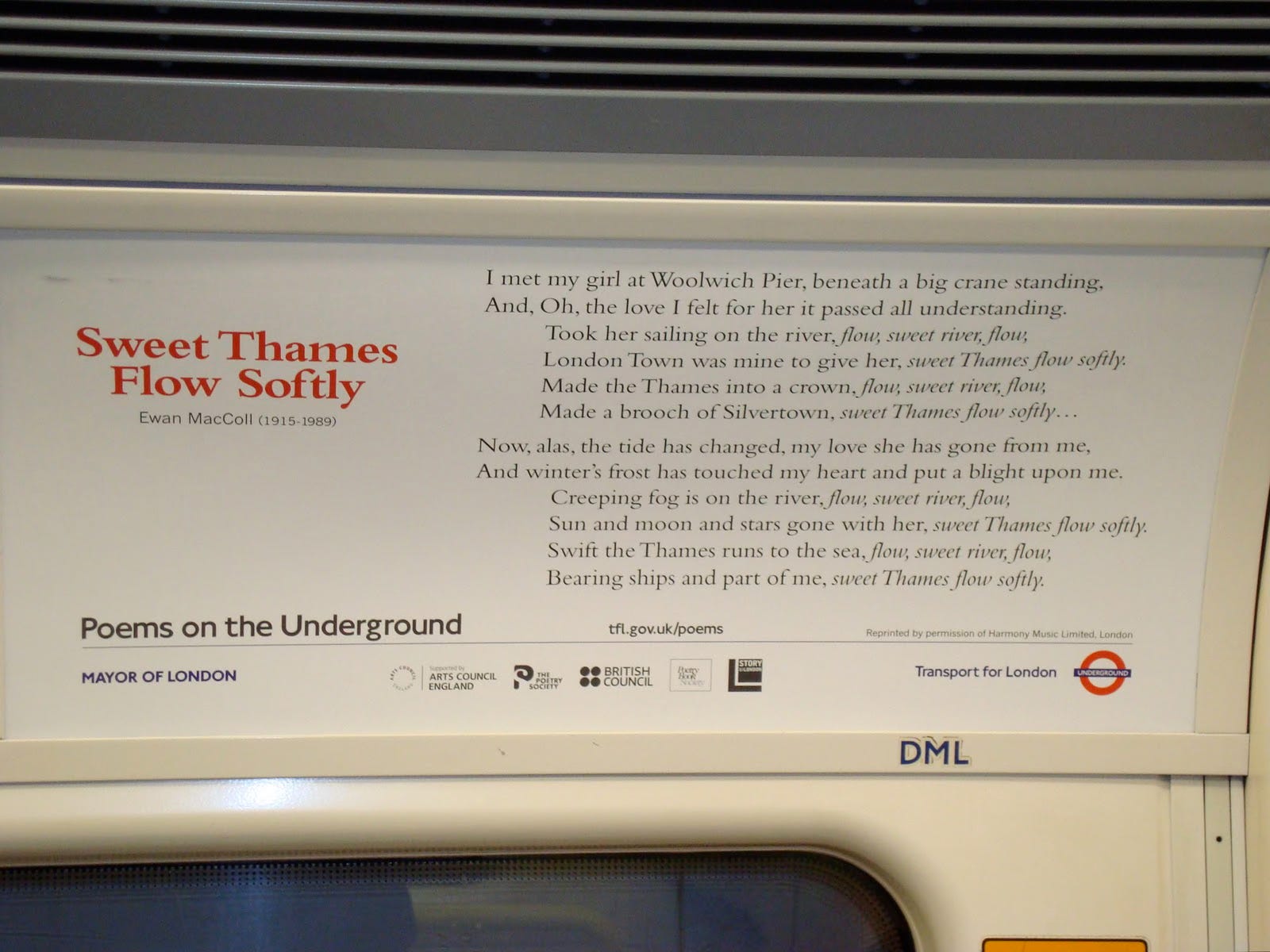
11 You know that a Septet is not a medical condition requiring urgent attention.
12 You turn into an embarrassed mess at a reading by one of your favourite poets. That oh-so-incisive question you prepared, exploring what you’ve identified as a shift in their sensibilities between their second and third collection, comes out as: “You’re brilliant.”
13 When someone describes one of your poems as ‘interesting’, they’re buying time. They’re trying to work out what to say. Or they might just hate it, but are being nice.
14 When a workshop leader says ‘there’s a poem somewhere in this’, it means ‘start again’. If they say ‘this one might benefit from setting aside for a while’, it means ‘just ditch it’.
15 It’s important to erase anything from your bio that might hint at being middle-class (when was the last time you read one saying: ‘The poet was brought up in a spacious detached house in leafy Surrey’?) The exception to this, of course, is if you can include an escape clause. For example: ‘Brought up in a spacious detached house in leafy Surrey, the poet has lived in a squat in Glasgow for two decades.’
16 Some jobs are deemed acceptable for bios. Others aren’t. Perhaps best to leave it out if your day-job is as an investment banker or treasurer of the Berkshire Young Conservatives.
17 You’ve been to events where there were as many poets reading as audience members. In fact, you’ve read at events like that (despite inviting your family and friends along to bulk up the numbers).
18 It’s nice form to say where you’re from in the chat when a Zoom reading begins.
19 There is a ‘look’ for author photos. Staring off into the middle distance looking haunted is good. Hand-on-chin-pensive also works.

20 There’s a direct relationship between the flakiness of your internet signal and the moment at which you begin reading at an online open-mic. The two are as connected as time and space.
21 When one of your friends publishes a book, the first page you turn to is the acknowledgements. To see if you get a mention.
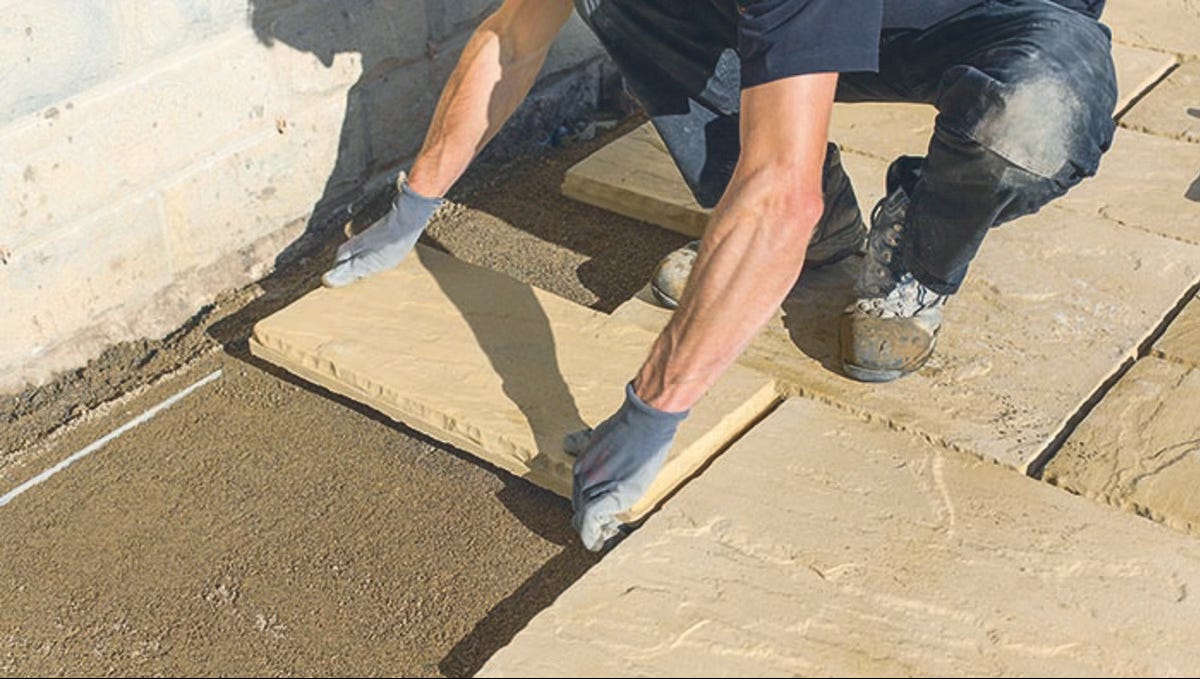
22 You have printed your manuscript, one poem per page, and laid it out on the floor to help you decide the ordering of your collection. Frankly, though, laying the patio was simpler.
23 When it comes to titles, there’s a style that seems to catch the eye of competition judges. It’s usually long, enigmatic, and contains a hint of comedy while nodding towards a serious element. For example: The 14-year-old me drinks water sitting on a donkey at the base of Machu Picchu.
24 Familiar with the adage that poems should contain ‘truths not facts’, you experiment endlessly with changing your age in the previous poem title. And whether it was water. And whether it was Machu Picchu. You may even give the donkey a name. And turn it into a horse. Ultimately, it’s pointless: the competition will be won by a poem titled: Having sex in a toilet with water on the floor on a P&O ferry heading to Zeebrugge two days before the storm.
25 You can spend days (OK, weeks) pondering one word in a title. Should it be, for example, two days before the storm? Or one day? Or three days? And while you're at it, might Calais be better than Zeebrugge?
26 You come to recognise your own poetic tics. For example, the predilection to end lines with an ellipsis …
Tim Relf's debut collection is out with Salt Publishing in November 2026. His most recent novel, published by Penguin, was translated into more than 20 languages.
As well as browsing our Substack, it’s worth visiting The Friday Poem website where you can browse our Archive of more than 700 posts dating back to early 2021.
Help support The Friday Poem – buy us a coffee to help us stay awake as we strive to bring poetic excellence to your inbox every Friday. If you can't afford to donate, no worries, we’re going to keep on doing it anyway! Big thanks for everything, you lovely poetry peeps.
For item 19, I not only stare into the middle distance but I use a gritty Northern backdrop to make me seem gritty and Northern.
Number 26.
That's brilliant...