


Beluga Song
They chirp like canaries,
these moon-pale whales –
with mewls and clicks,
bright icy whistles
and playful squawks.
They have no vocal cords
but still, they croak and caw
and squeak and trill as air passes
through special sacs
near their blowholes.
O melon-headed whales
with the gentlest of smiles,
your song is the great
creaking heart of the ocean.
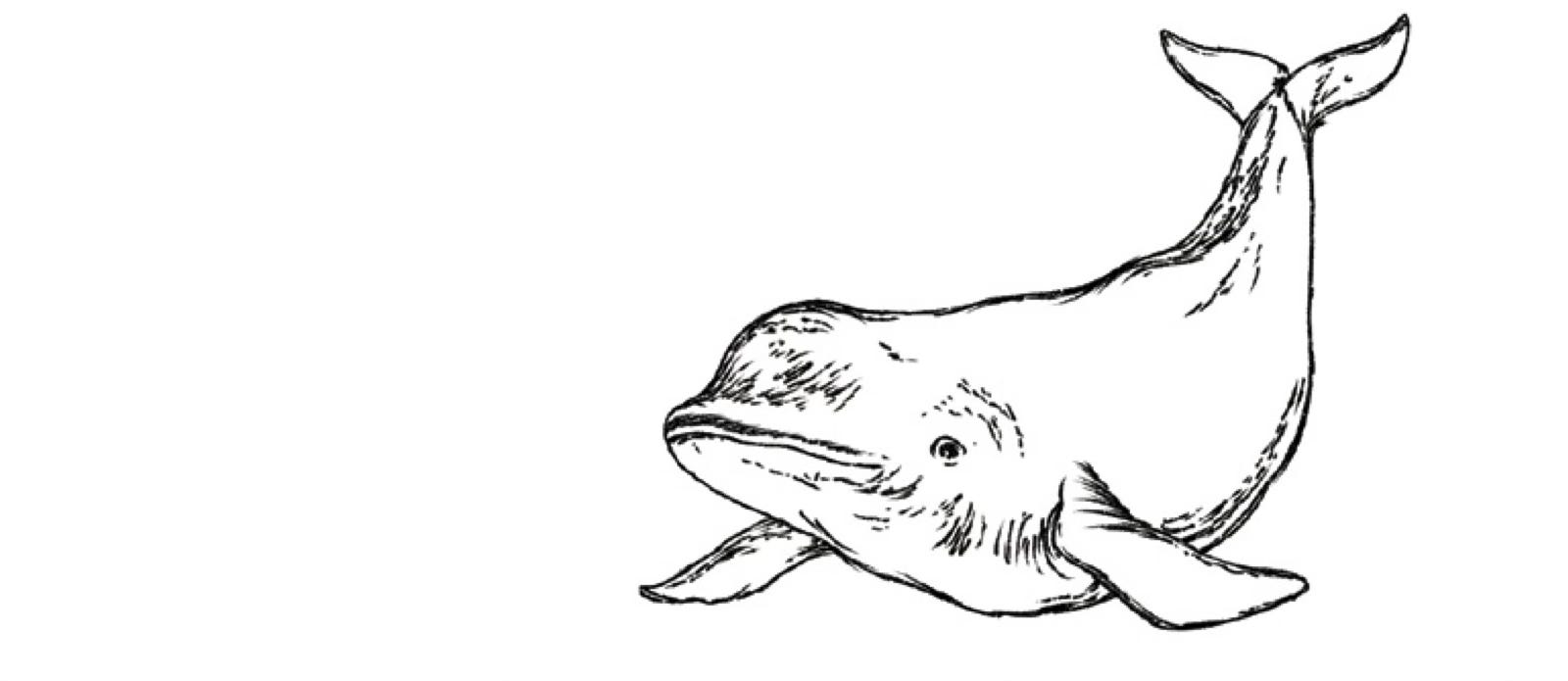
Note: Beluga whales are known for the interesting range of sounds they make, both to communicate and for echolocation. The ‘melon’ on their heads changes shape as they sing and calves learn to communicate by mimicking their mothers.
‘Beluga Song’ is from Aardvark Day by Victoria Gatehouse, iIllustrated by Kate Lucy Foster (The Emma Press, 2026) — big thanks to The Emma Press for letting us reproduce it here.
For a small publishing house, The Emma Press punches well above its weight when it comes to quality children’s poetry and has a keen eye for new talent. Aardvark Day is Victoria Gatehouse’s first collection for children and I’m sure it won’t be her last.
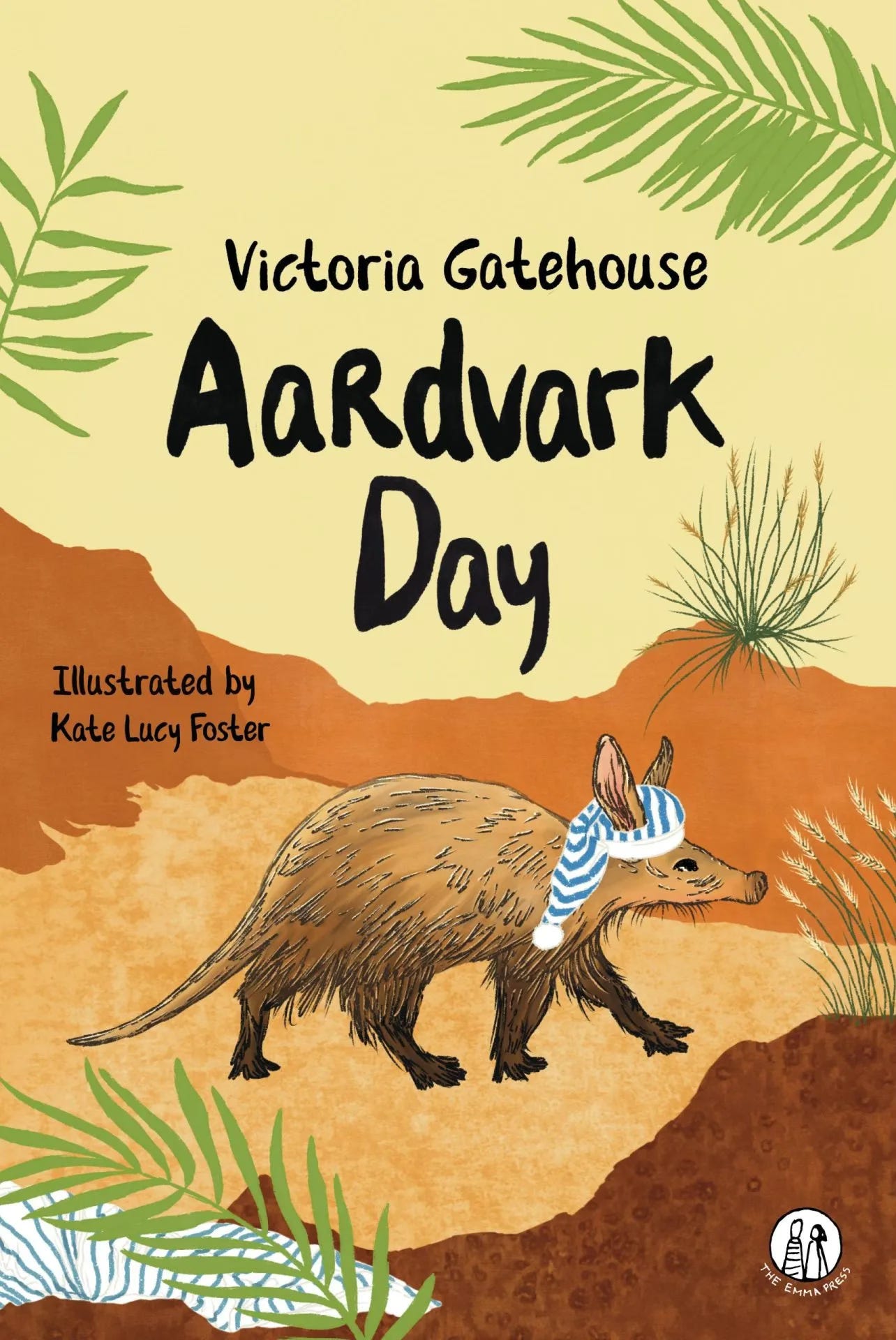
Aimed at 7 – 11-year-olds, these 34 animal-themed poems are as informative as they are enjoyable. Gatehouse is a zoologist by training and shares her knowledge and enthusiasm for the natural world with a light, lively touch combined with confident technique and a well-tuned, musical ear.
I was particularly impressed with the variety of poetic forms Gatehouse uses – from free verse and rhyming couplets to triolets, acrostics and kennings. There’s also a list poem celebrating the names of mushrooms; an interview with a leaf sheep sea slug (an actual creature as well as being really tricky to say!); and a ‘mirror poem’ which can be read either forwards or backwards to give an optimistic or pessimistic environmental message. Gatehouse pitches each one perfectly, with real respect for her young readers.
These are intelligent, carefully crafted poems that manage to combine the lightness and musicality children instinctively enjoy with a contemporary sensibility
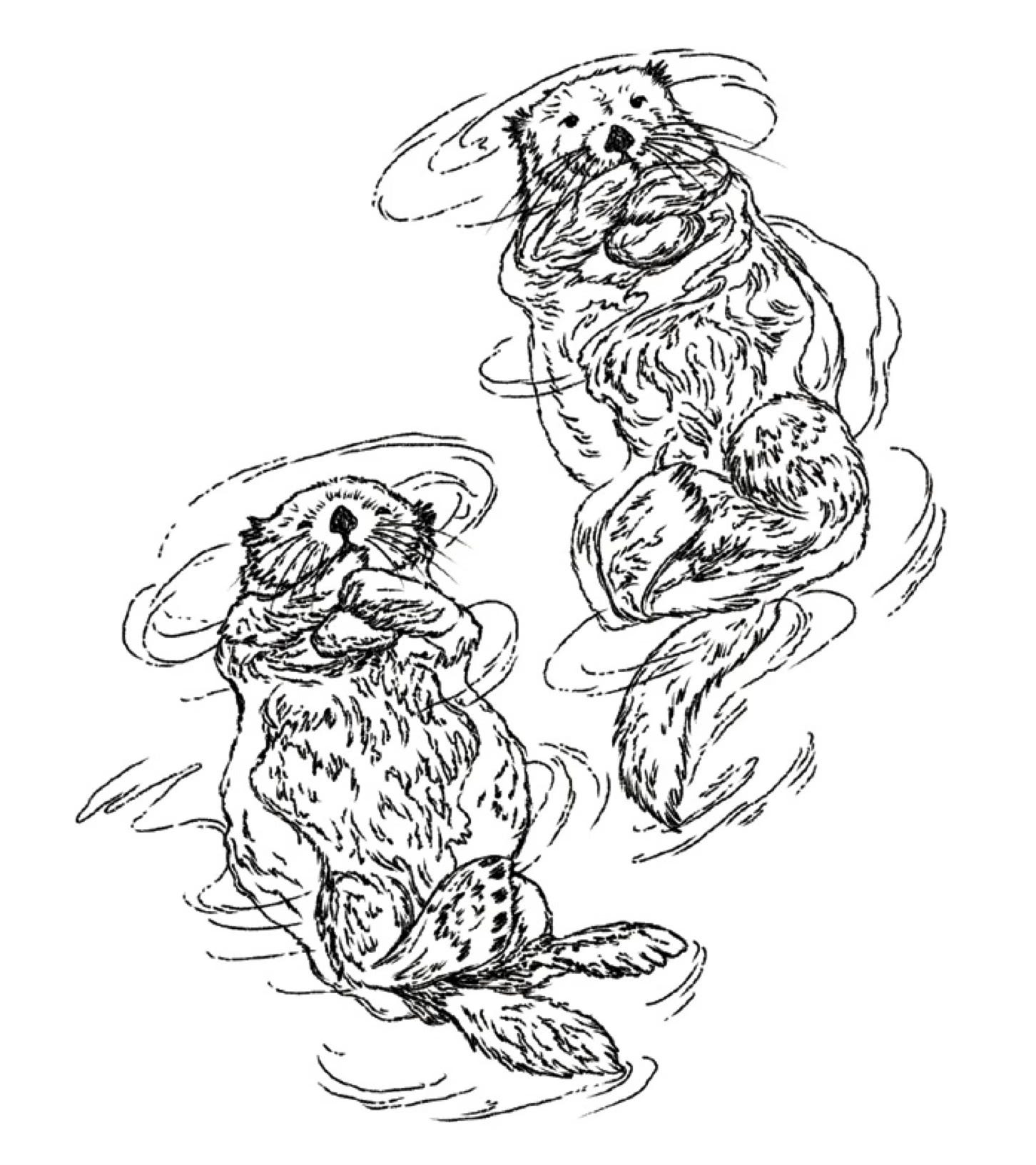
These are intelligent, carefully crafted poems that manage to combine the lightness and musicality children instinctively enjoy with a contemporary sensibility. The illustrations are similarly respectful of their audience – no reductive, cartoon cuteness, just accurate, natural drawings with child-appeal and warmth – I loved the perfection of the fairy armadillo and the sense of movement in drawings of otters floating on their backs in swirls of water.
I can imagine several of the poems working well as performance pieces for children, for example, ‘A Lizard Has Two Modes’, where a lizard gets to speak in two voices: first in Lightning Mode and then in Lounge Mode, with each mode reflected in the text layout. The delightful rhyme, rhythm, repetition and tongue-twists of ‘My Litter-Picker’ would also be fun to perform. These are the first three stanzas to give you the idea (try saying it fast with a partner and alternating lines!):
Empty cans, elastic bands, and silver foil aglitter.
With my litter-picker, I pick up all the litter.
Tangled strings and tin-can rings could trap a little critter.
With my litter-picker, I pick up all the litter.
Bottle tops and sodden socks; I really am no quitter.
With my litter-picker, I pick up all the litter.
There are useful ‘bonus bits’ at the back of the book, including an interview with the author plus some excellent ideas from publisher Emma Dai’an Wright for how children might write their own poems using Gatehouse’s work as inspiration. Any primary school teacher would get great mileage from this book regardless of their own confidence with poetry. It’s a joy.
Annie Fisher’s background is in primary education, initially as a teacher and later as an English adviser. Now semi-retired she writes poetry for both adults and children and sometimes works as a storyteller in schools. She has had two pamphlets published with HappenStance Press: Infinite in all Perfections (2016) and The Deal(2020), and one recently from Mariscat Press: Missing the Man Next Door (2024). She is a member of Fire River Poets, Taunton.
Vital Statistics: The Friday Poem has 3600-plus subscribers. It’s run by four people – Hilary Menos (Editor), Helena Nelson (Consulting Editor), Bruno Cooke (Spoken Word Editor) and Andy Brodie (Web Editor), with contributions from a team of reviewers and writers.
Until recently we maintained the Friday Poem website (thefridaypoemdotcom) as an archive of 700 posts published between 2021 and 2024 (including most of the original Friday poems) but following a catastrophic hack in late April we made the difficult decision to take this down. We’ll be republishing some of the poems, features and reviews on Substack in the future.
Help support The Friday Poem
Buy us a coffee to help us stay awake as we strive to bring poetic excellence to your inbox every Friday. Heartfelt thanks to everyone who donates, especially to our regular donors. If you can’t afford it, no worries, we’re going to keep on doing it anyway! Big thanks for everything, you lovely poetry peeps.
Thank you for this wonderful review, it is very much appreciated!
This sounds wonderful, and the illustrations look marvellous too!