


Hilary: I’ve spent the day reading the ‘CLiPPA Five’ but I only have the pdfs, while you’ve been sent the actual books. How do they stack up, in your opinion, as physical things to hold and read?
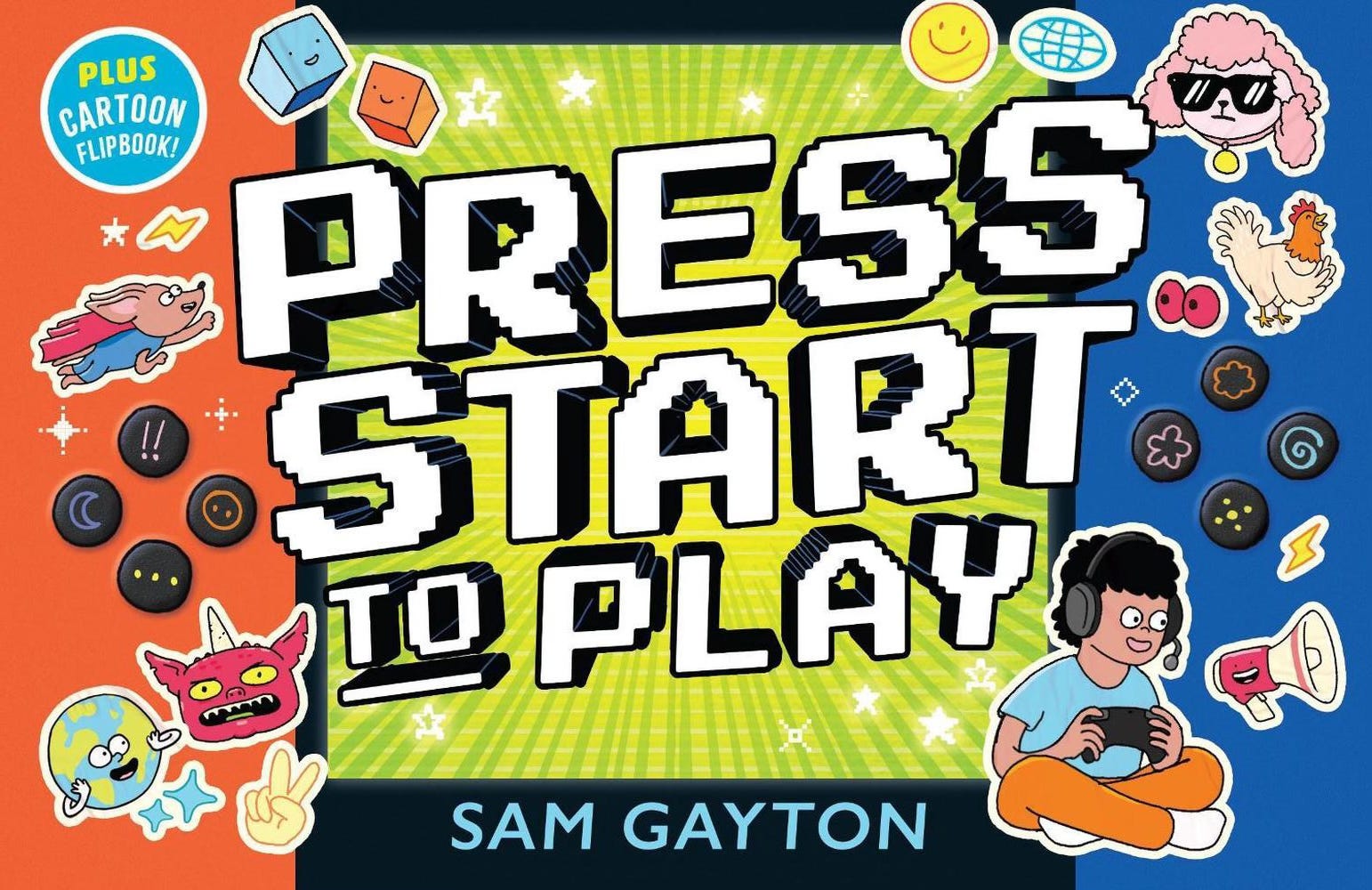
Annie: Tactile quality is important – a teacher-friend of mine assesses the ‘strokability’ of any new book she buys to read to her class. The five shortlisted books vary. PRESS START TO PLAY is a slim, budget-priced paperback which I can imagine an eleven- or twelve-year-old reading by torchlight under the duvet once / if they’ve been forced to log off or hand over their devices for the night – it will get bent and thumbed and can’t afford to be especially beautiful.
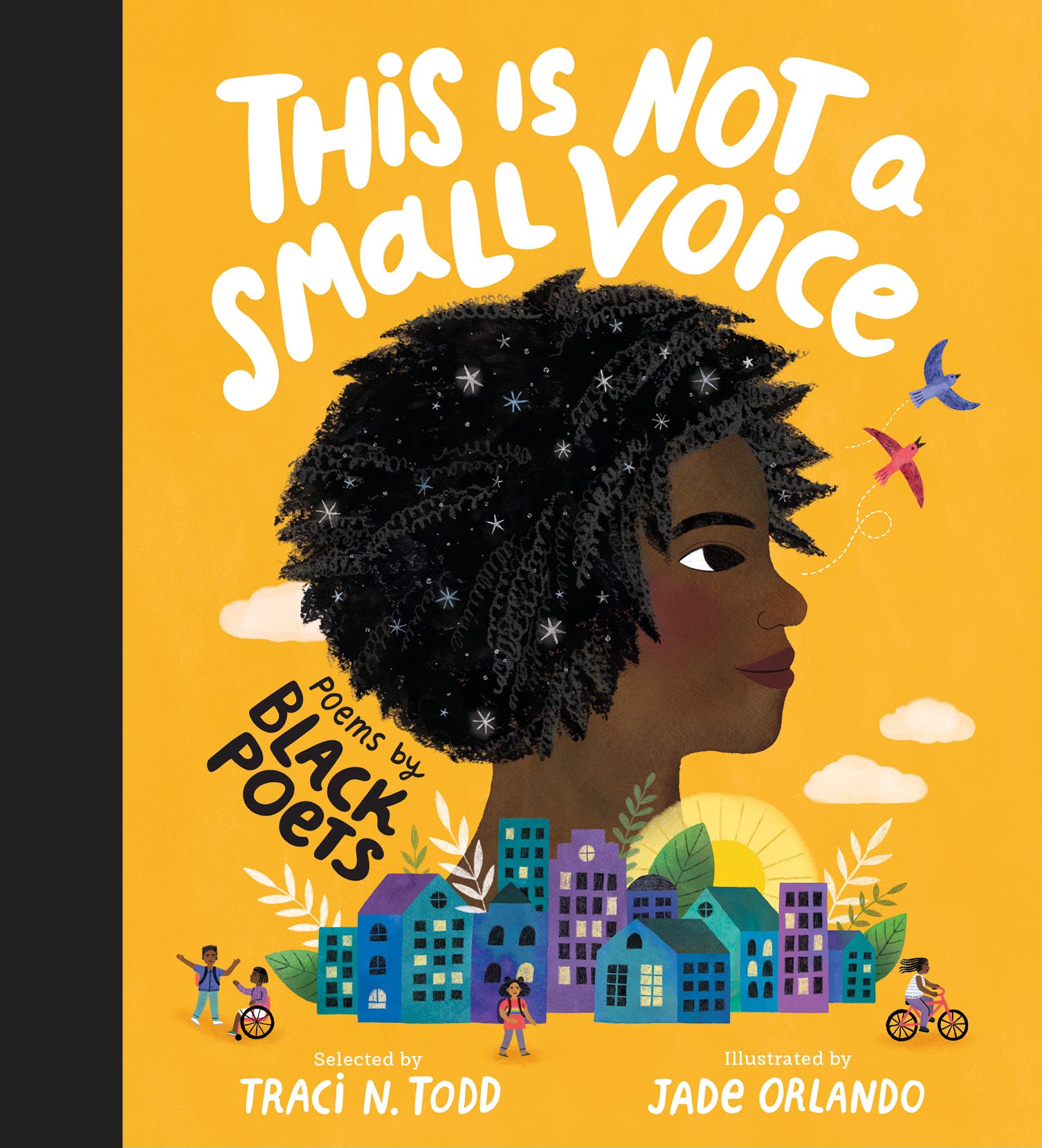
In contrast, The Poetry World of John Agard is an attractive, chunky hardback with good quality, thick, glossy pages – it’s robust enough to survive much handling in a school library which is where I envisage it doing well. A First Book of Bugs and Five Little Friends are large, attractive hardbacks which would suit an adult reading to a child, or a teacher reading to a whole class. But the one that comes out tops for strokability is This is not a Small Voice – it has a sleek, strong, hardback cover, partly covered in grainy black fabric you can’t help stroking, and the pages are sumptuous, bright and glossy. It’s published by Nosy Crow, who take pride in their production values. I imagine a child or a pair of children poring over it with delight. It feels special, but at £20, it’s easily the most expensive.
Hilary: The First Book of Bugs looks on the face of it to be the most eye-catching – the pictures are fun and brightly coloured, rather like the illustrations in The Very Hungry Caterpillar, but even more vibrant and grabby. On the other hand, The Poetry World of John Agard and PRESS START TO PLAY are mostly black and white. How important is the look of the book – glossy covers, pictures, colour – do you think?
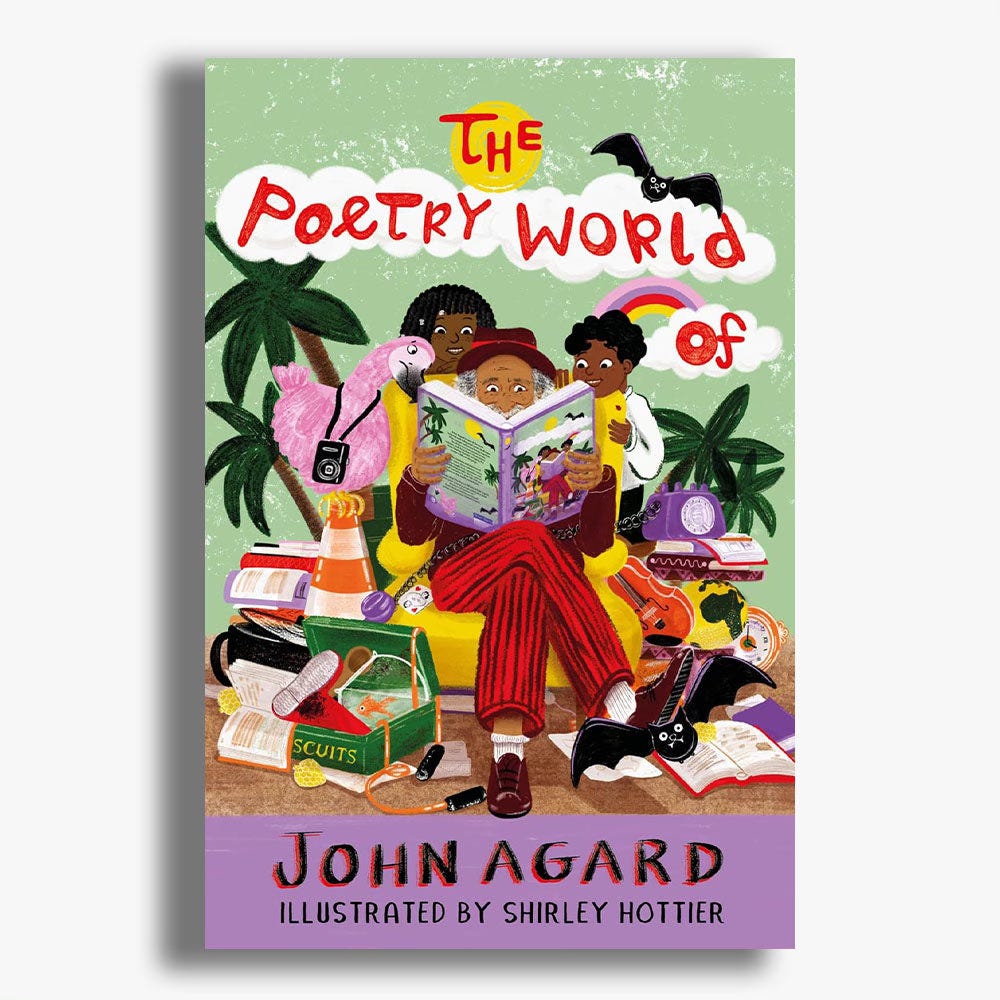
Annie: Important I think, but it’s not everything, and cost is a consideration of course. Shirley Hottier’s colourful cover for The Poetry World of John Agard is delightful and the book might have looked very impressive if all illustrations could have been in colour, but I think the black and white ones work fine. They have a clarity, impact and sense of fun that’s just right for Agard’s poetry and suits the 7-11 age group. I’m assuming that the publishers, Otter-Barry Books, selected the illustrator, in which case they did a good job.
With books for the very young the pictures are much more important – they are what the child ‘reads’, with the adult’s voice as accompaniment. In The First Book of Bugs and Five Little Friends the artwork is very much centre stage – it is as you say, what grabs the attention. When it comes to illustration, there’s always the danger that the art can totally outperform or even overwhelm the words. I wondered if The First Book of Bugs might be heading that way …
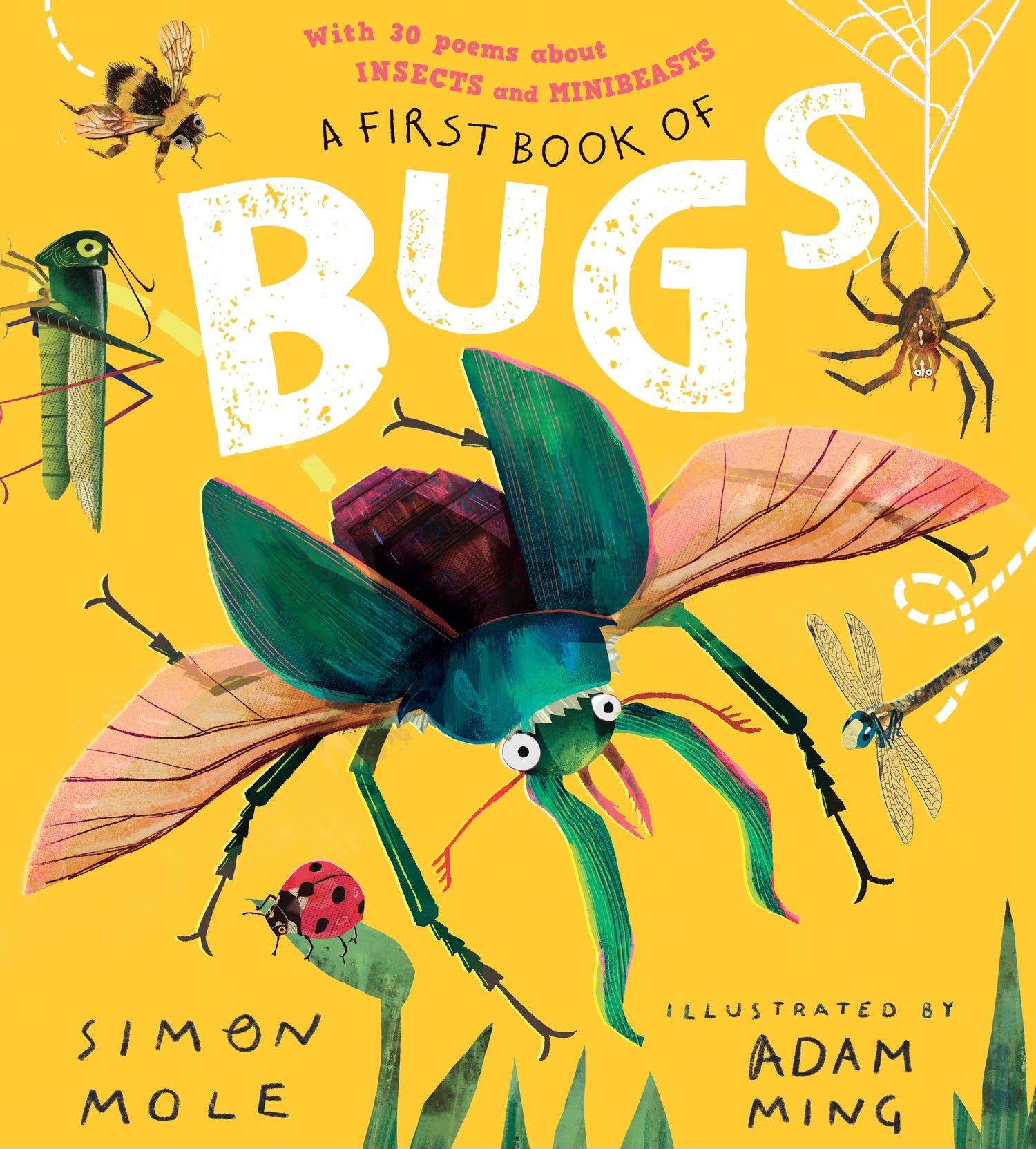
Hilary: I like the way The First Book of Bugs advocates for insects. In the ‘About this book’ section, Simon Mole says, “Bugs are the invisible power that keep the world working. They help plants to grow, act as a natural pest control and play a vital role in the food web.” Of course the references to environmental issues may go over a child’s head, but as an adult you get a real sense of understanding and care for maintaining wildlife habitats.
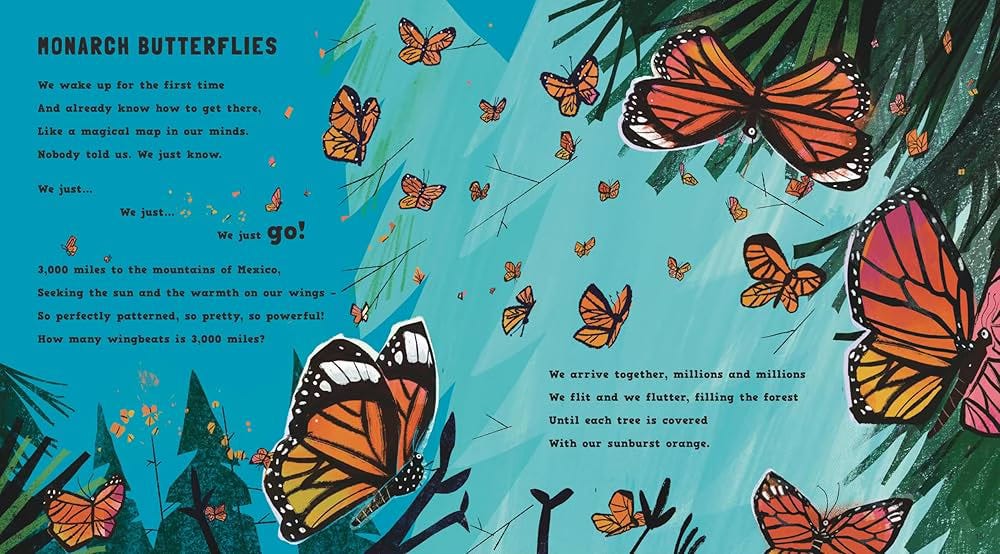
I agree with you though, where there are such vibrant and funky graphics the text has to work hard to compete. And while it’s certainly informative and fun, there doesn’t seem to be a lot of attention paid here to rhyme and rhythm. As a child, I remember reading Walter de la Mare, Charles Causley, Edward Lear and Hilaire Belloc, and I especially loved Old Possum’s book of Practical Cats by T S Eliot. The poetry in these CLiPPA books seems quite different. I used to love poetry with a strong emphasis on end rhyme and regular metrical patterns, but many of these books seem to be in what I would call free verse, or even prose. Don’t children need some kind of formal structure – the rhyme and rhythm that makes a poem easy to remember – or am I old-fashioned?
Annie: If you replaced ‘children’ with ‘we’ in your last sentence, that question might be echoed by many adults who, if not bemused by most contemporary poetry, can’t help mourning the marginalisation of rhyme and formal structure. Out of interest, I googled ‘When was the last time a rhyming poem won the National Poetry Competition?’ and was told that ‘Absence has a grammar’ by Fiona Larkin was a rhyming poem that won in 2024. If this is a rhyming poem, it certainly doesn’t rhyme in a way that I or the old chap on the Clapham omnibus might understand. But then who remembers the chap on the Clapham omnibus …? And who knows what an omnibus is …? I’m teasing of course, but I think you and I might both be old-fashioned regarding rhyme and rhythm – along with a lot of other people.
We need this book. There should be copies in every primary school in the country
But I do think (and I suspect you’d agree) that it’s possible to enjoy rhyme and rhythm as well as free verse or even more experimental forms. In fact, early readers have often not read enough poetry to have developed expectations, and so children’s poetry books often mix the old and the new marvellously well, with an openness and generosity that I think the adult poetry readership could learn from. In The Poetry World of John Agard some poems are in free verse, others have a clear, regular rhyming pattern, but many move in and out of rhyme with subtle elasticity. that I think works well. This is ‘Mummy’s Bump’, for example:
Under her heart’s thump-thump
sits Mummy’s bumpand curled all cosy inside
could be my baby sister
could be my baby brotherhaving a water-ride
in the water-world
of mummy’s bumphaving a turn to swing
from a wrinkly trapeze
of a navel stringand when I put my ears
to Mummy’s bump
I hear the song of all the seasand I hear myself begin.
If children are encouraged to write their own poems, they often love rhyme but it isn’t easy to do well and some kids can come unstuck if they force a rhyme. From around the 70’s onwards it has become more common in schools to steer children away from rhyme in their own writing. One popular teacher guidance book is ‘Does it have to Rhyme?’ by Sandy Brownjohn. This did a lot to free up children’s poetry by including conversational-style poems like ‘Chocolate Cake’ by Michael Rosen. I was never over-keen on the poem, to be honest, but it’s become a classic – children adored it when it was first published, and still do.
Hilary: Of course Michael Rosen won the CLiPPA award in 2021 for On the Move, a collection of poems about migration in which he reflects on his own past as part of a Polish-Jewish family growing up in London.
Annie: Yes, On the Move was a significant winner – a masterclass in how to write engagingly for children on a difficult subject. Quentin Blake’s illustrations worked perfectly with Rosen’s poems. CLiPPA has done a great job over the years of bringing quality children’s poetry to schools’ and public attention and also introducing new talent like Kate Wakeling, Joseph Coelho and Karl Nova.
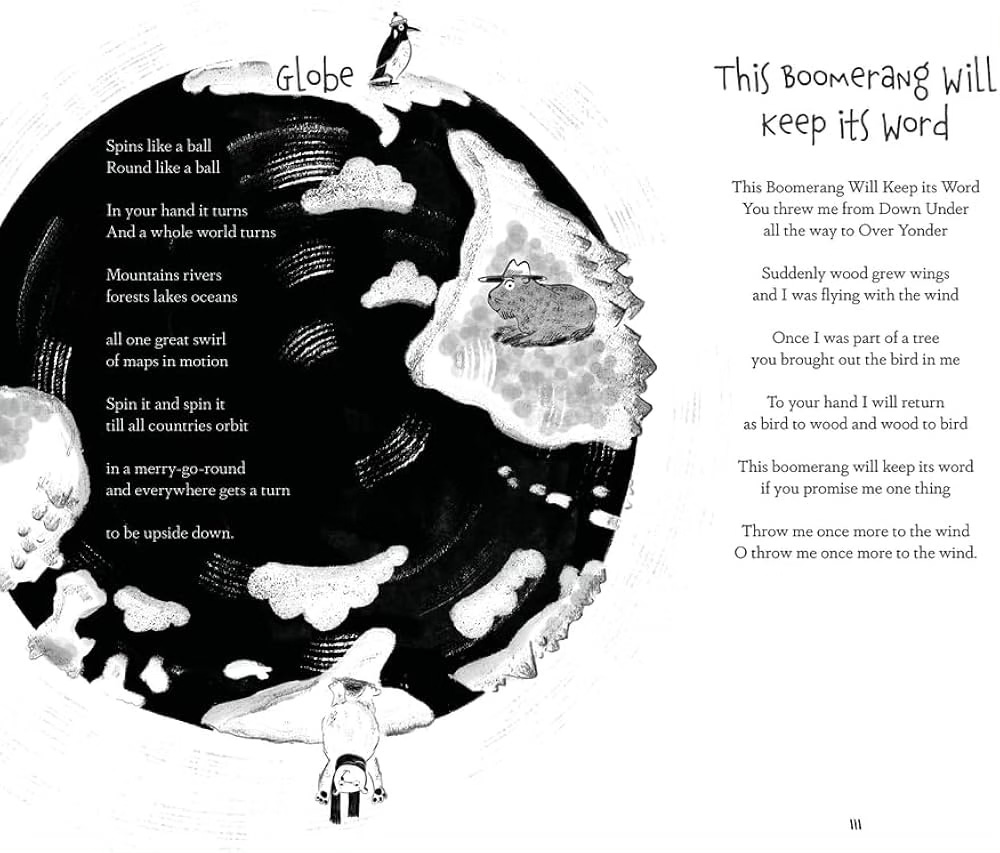
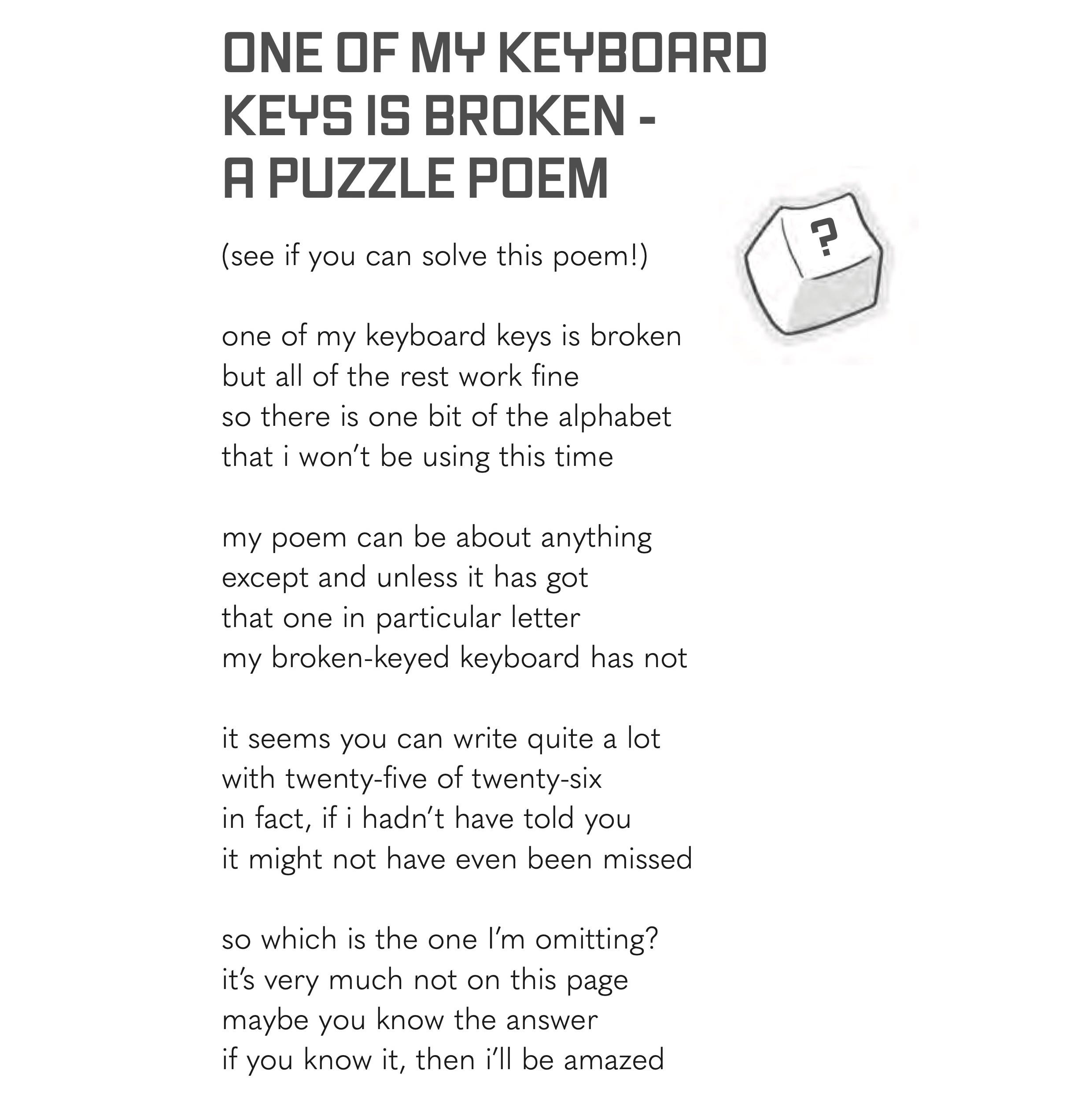
Hilary: It’s a difficult task for the judges, isn’t it, to judge between five books which are so very different? Even the age ranges are different – PRESS START TO PLAY is for nine to fifteen-year-olds, there’s lots of text, and not much in the way of pictures. Here’s a typical page:
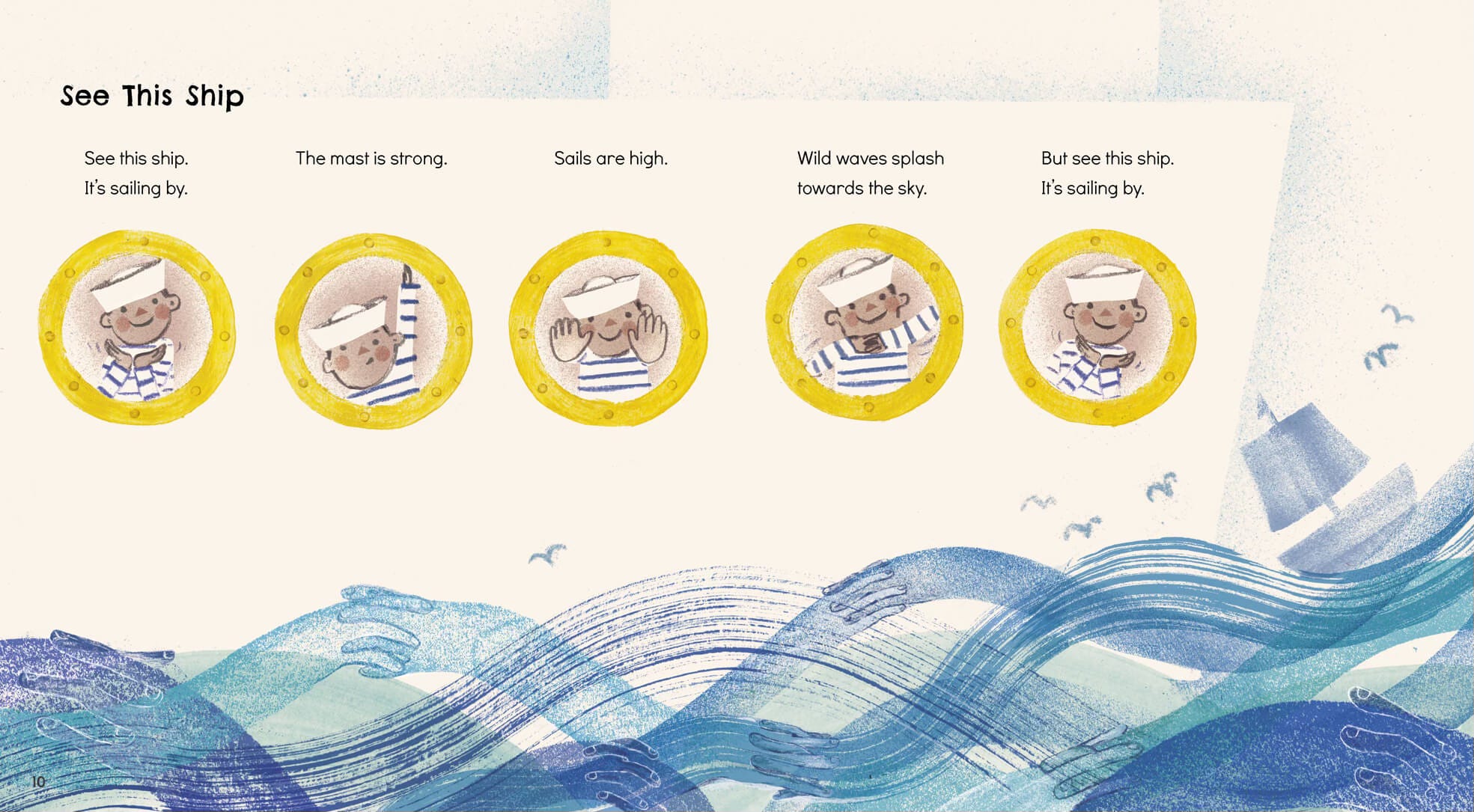
Five Little Friends, on the other hand, is for children up to seven. This one does rhyme rather beautifully, and the illustrations, by Fiona Woodcock, are charming. Each poem is rhythmic, short, and fun to say, and there are poems about all sorts of things, from brushing your teeth to spending too much time on a phone (presumably something for mummy to think about).
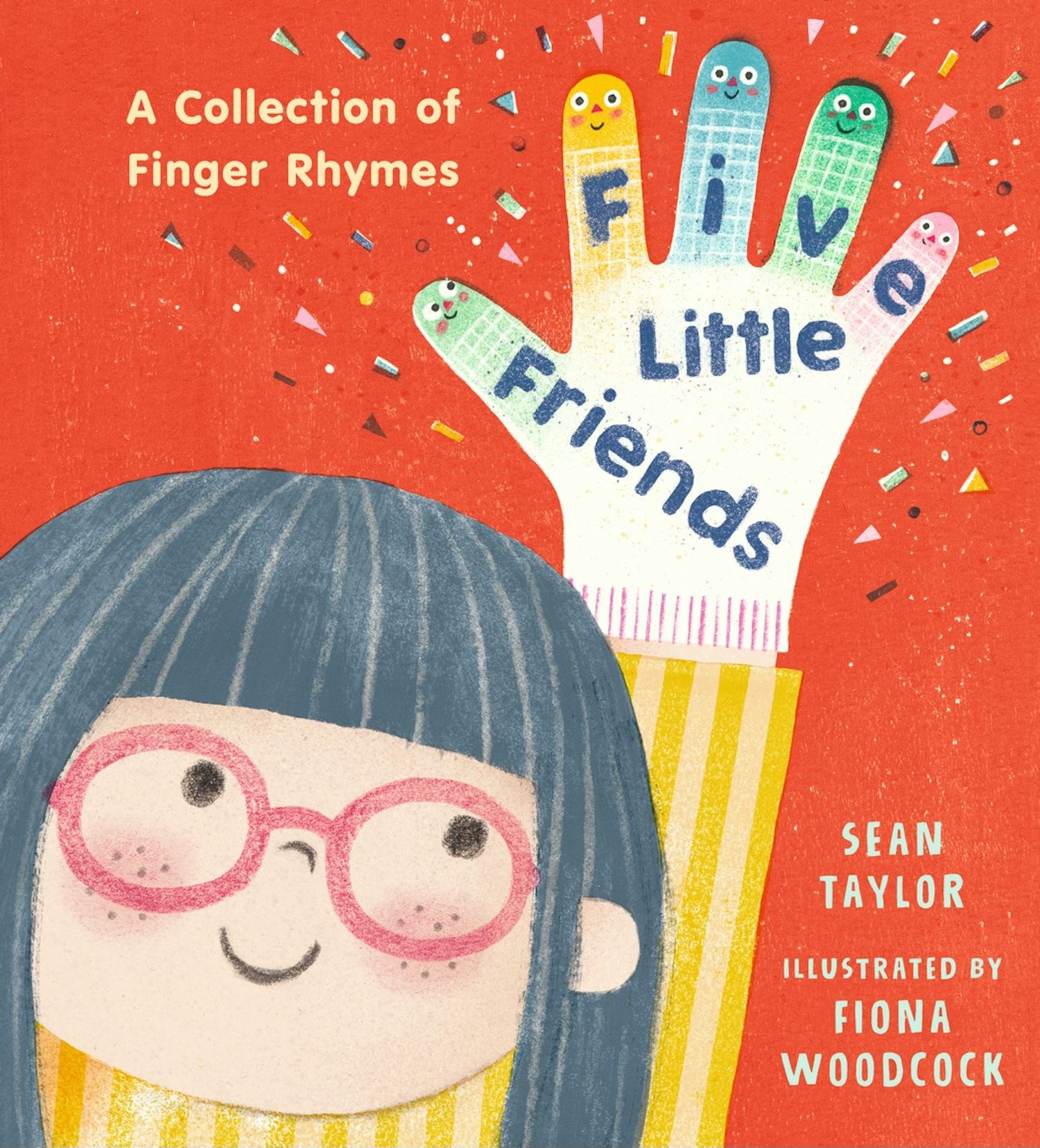
Annie: I love this book’s energy and the potential for interactivity. A great one for teachers in Early Years settings. Fiona Woodcock’s illustrations are a joy and, as you say, Sean Taylor’s rhyme and rhythm is spot-on.
Hilary: Are you prepared to come out and tip the winner?
Annie: I thought you might ask! Well, what have we got … Five Little Friends shouldn’t be overlooked despite its simplicity. PRESS START TO PLAY is different and pleasingly subversive. A First Book of Bugs is visually stunning. All the same, I have a particular soft spot for The Poetry World of John Agard (a collection drawn from eight of Agard's previous books). Agard’s blend of playfulness, wisdom and musicality makes him a perfect children’s poet and I like how each section of the book includes a chatty introduction so the reader feels they’re part of a conversation. It would be great for any teacher doing an ‘author focus.’
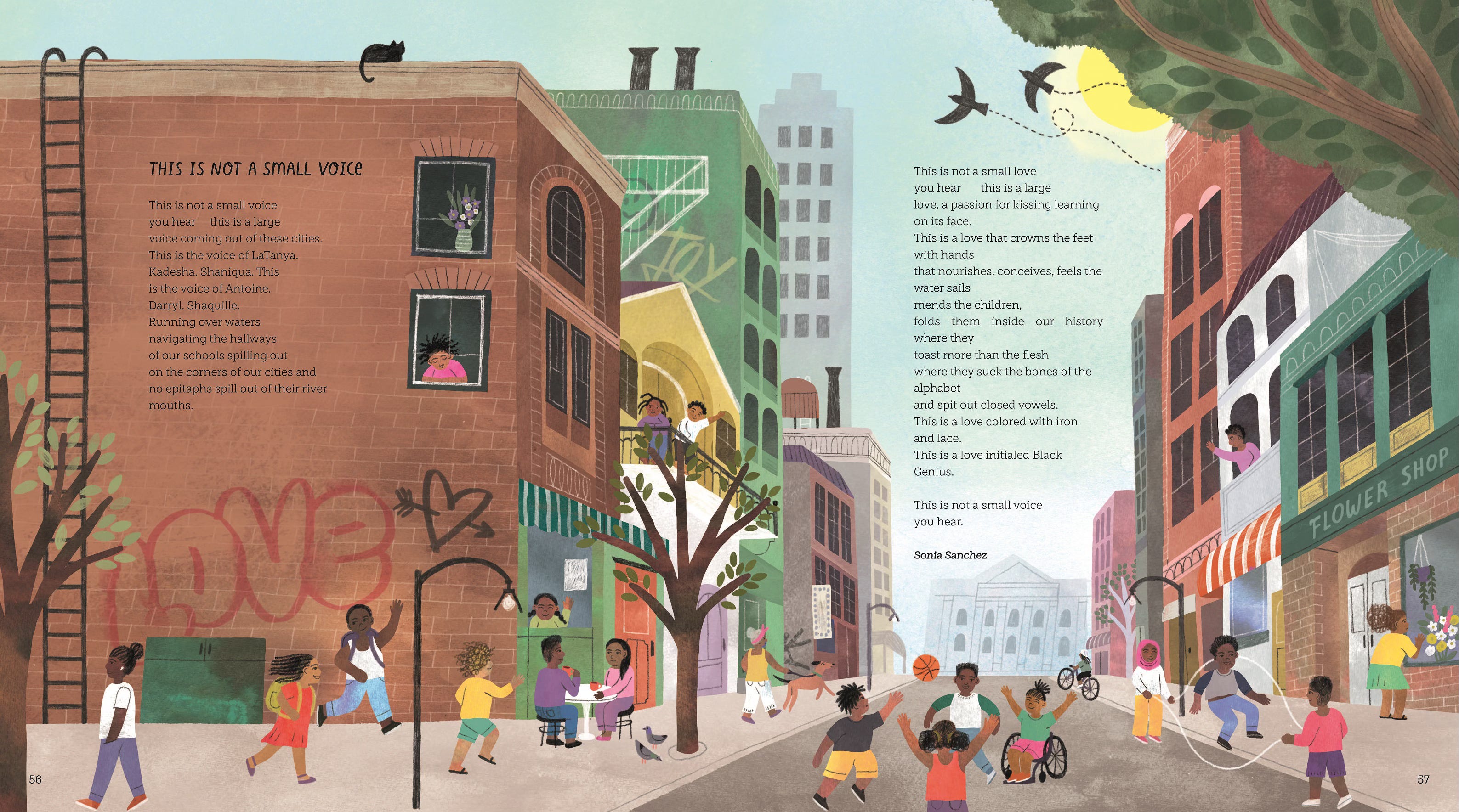
However, my vote would go to the sumptuous anthology This is Not a Small Voice: poems by Black Poets (It actually includes some lovely John Agard poems!). In the introduction, Traci N. Todd, who selected the poems, says she wanted the book to be “a celebration of Blackness.” It is exactly that – it doesn’t ignore the sickening racism that persists among us, to all our shame, but it’s essentially an uplifting, hopeful book. It includes black voices from different countries, cultures and times, from Maya Angelou to Amanda Gorman; from Langston Hughes to Benjamin Zephaniah. The poems are skilfully ordered so that they talk to each other, and Jade Orlando’s illustrations are gorgeous. I’d definitely give this one my vote, and I’d like to finish with a link to the poem that opens the anthology, ‘The Dream Keeper’.
Many will hear Martin Luther King’s voice echoing here, because he drew on Langston Hughes’s poetry in his famous ‘I have a dream’ speech. Hughes wrote ‘The Dream Keeper’ exactly a century ago and it’s fully sixty years since King’s speech, but look at the world right now, in 2026 … We need this book. There should be copies in every primary school in the country.
Hilary: We’ll all be interested to see what the judges decide when the results are announced on 9th July – next Thursday.
Annie Fisher’s background is in primary education, initially as a teacher and later as an English adviser. Now semi-retired she writes poetry for both adults and children and sometimes works as a storyteller in schools. She has had two pamphlets published with HappenStance Press: Infinite in all Perfections (2016) and The Deal(2020), and one recently from Mariscat Press: Missing the Man Next Door(2024). She is a member of Fire River Poets, Taunton.
Hilary Menos is editor of The Friday Poem.
Vital Statistics: The Friday Poem has 3700-plus subscribers. It’s run by four people – Hilary Menos (Editor), Helena Nelson (Consulting Editor), Bruno Cooke (Spoken Word Editor) and Andy Brodie (Web Editor), with contributions from a team of reviewers and writers.
Until recently we maintained the Friday Poem website (thefridaypoemdotcom) as an archive of 700 posts published between 2021 and 2024 (including most of the original Friday poems) but following a catastrophic hack in late April we made the difficult decision to take this down. We’ll be republishing some of the poems, features and reviews on Substack in the future.
Help support The Friday Poem
Buy us a coffee to help us stay awake as we strive to bring poetic excellence to your inbox every Friday. Heartfelt thanks to everyone who donates, especially to our regular donors. If you can’t afford it, no worries, we’re going to keep on doing it anyway! Big thanks for everything, you lovely poetry peeps.
This was fascinating, especially with Annie's sense of the books as tactile objects and the wonderful full-colour graphics conveying the flavour of the illustrations. When I think about the poetry books I read as a child I can't separate them in my mind from the pictures. The Oxford Book of Poetry for Children introduced me to Brian Wildsmith and I have never forgotten his brilliant images -- you can still buy cards featuring Brian Wildsmith owls. Mention 'The Forsaken Merman' to me and I think Brian Wildsmith, because I see his Merman King and feel his sadness. I have to think a few minutes before I remember the poem's by Matthew Arnold. Er... isn't it?